At a glance:
- Retrofitting OKUSLIDE® UHMWPE liners restores material flow by providing a smooth, low-friction internal surface.
- It reduces repeat maintenance and slows further wear by protecting the underlying steel surface.
- Compared to steel relining, OKUSLIDE® liners add significantly less weight, reducing additional load on vehicle components.
- Retrofitting minimises downtime and reduces the need for full body replacement.
Older truck bodies are often structurally sound but begin to lose unloading efficiency with time. As internal steel surfaces wear and become rough, friction within the body increases, restricting consistent material flow. Loads begin to stick, carryback increases and additional cleaning or repairs are required to keep the body operational.
These issues frequently trigger replacement discussions, not because the body has failed, but because performance has declined. Retrofitting provides a practical alternative. Installing OKUSLIDE® UHMWPE liners in the older truck body reduces wear, restores smooth material discharge and lowers ongoing maintenance demands without replacing or rebuilding the body.
Rather than repairing worn steel, the retrofit introduces a new internal wear surface that absorbs abrasion and protects the underlying structure. This allows older truck bodies to regain reliable performance and continue operating effectively. The sections below outline the rewards of this approach.
Improved Material Discharge
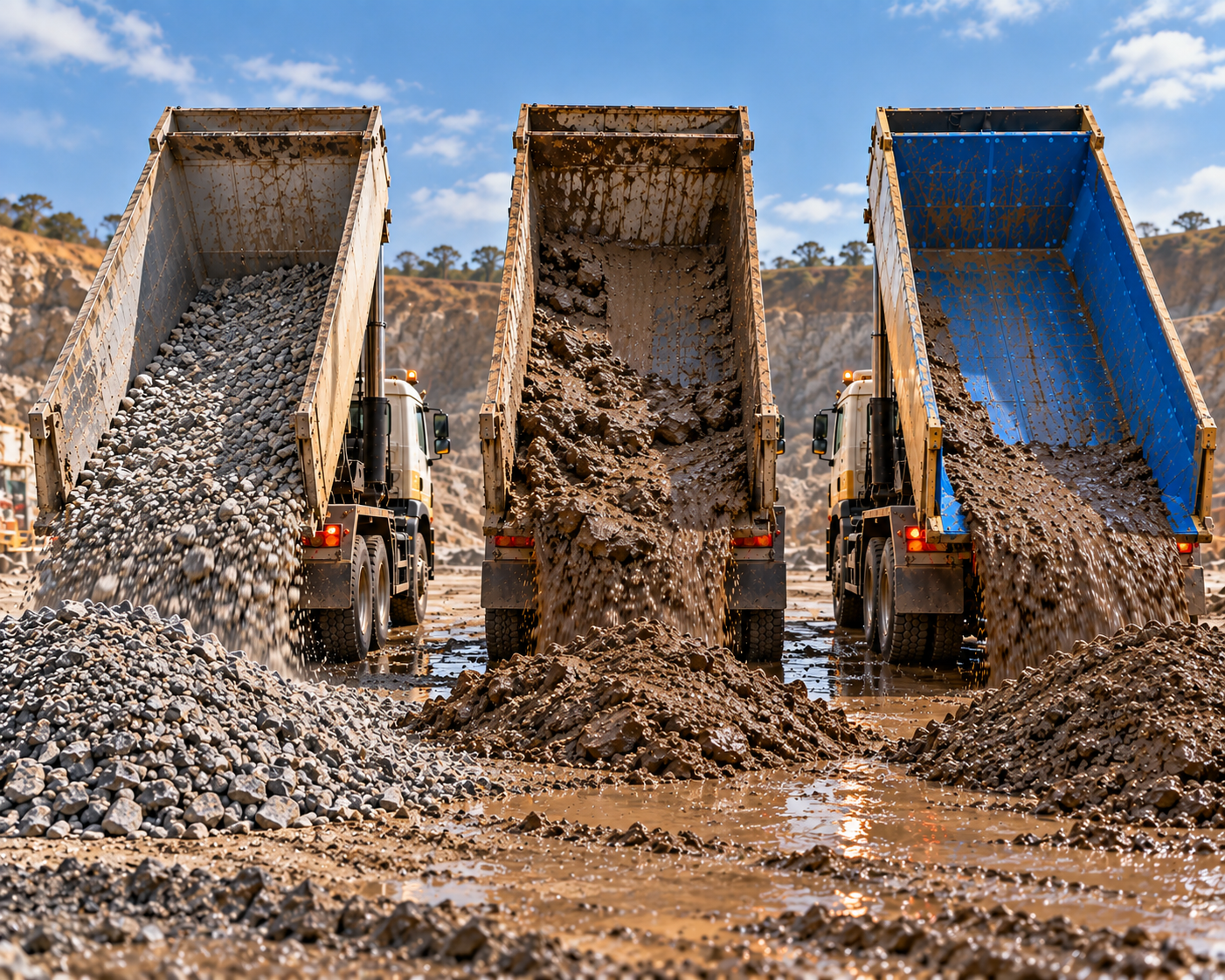
As truck bodies age, internal steel surfaces become rough from abrasion, pitting, weld repairs and corrosion. This increases friction, and even with correct tipping technique, material is more likely to hang up, leading to carryback, inconsistent discharge and the need for additional tipping or manual clean-out.
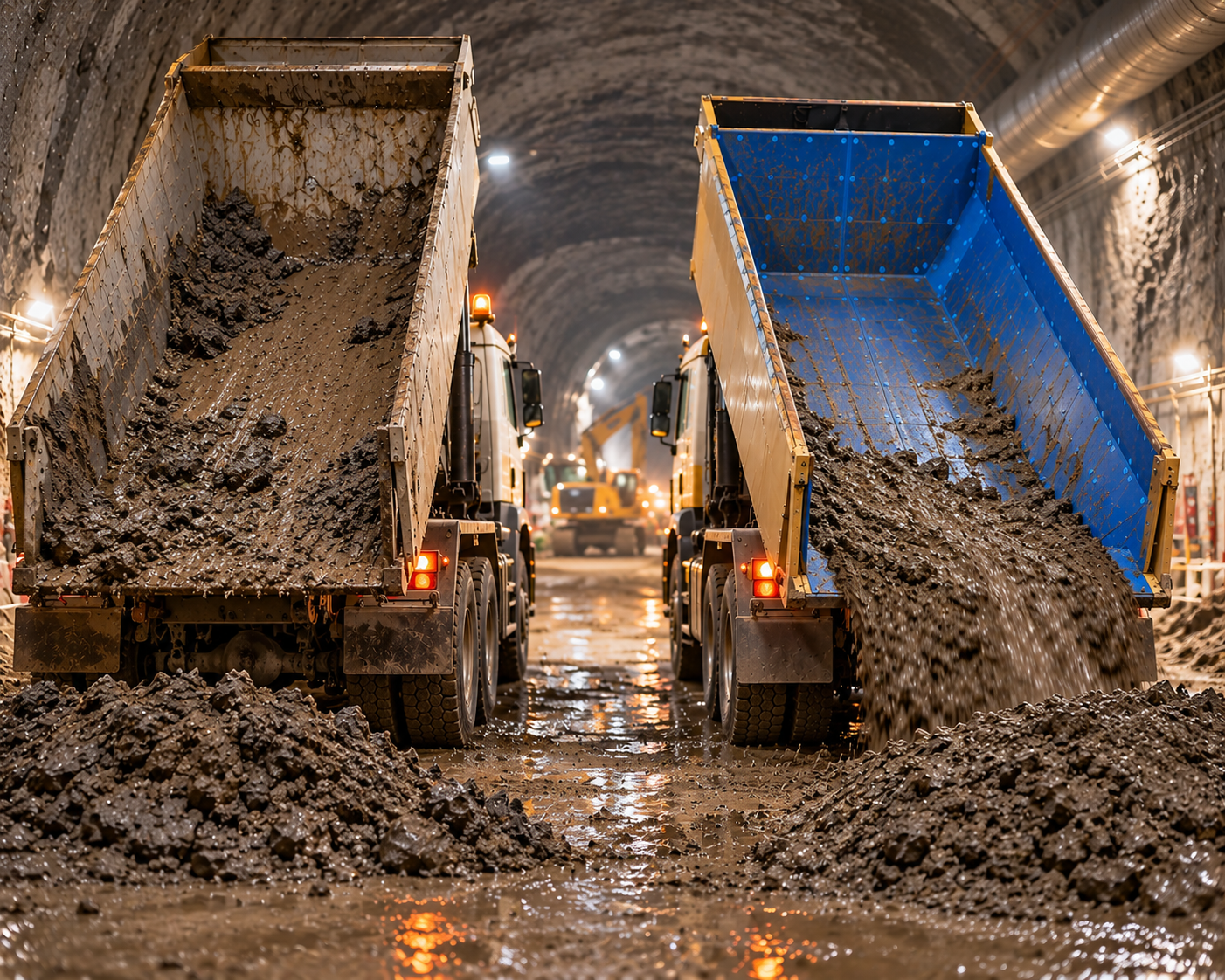
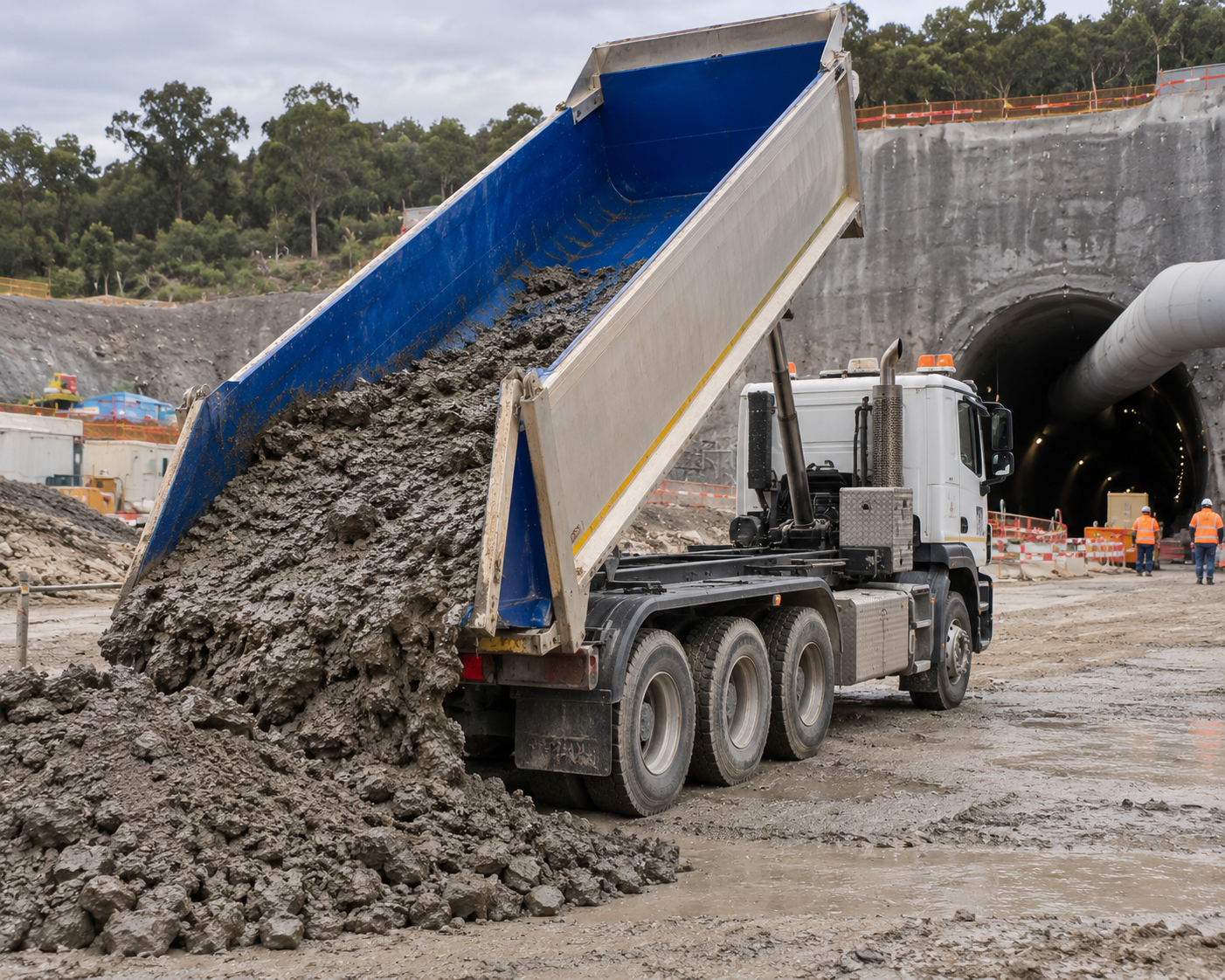
Instead of reworking worn steel, welding patches or rebuilding sections of the body, operators can retrofit OKUSLIDE® UHMWPE liners. The liners create a continuous low-friction wear surface across irregularities and high-wear zones, re-establishing a uniform, low-friction internal surface through a single retrofit. This allows material to release more consistently, even when the underlying steel is no longer smooth or uniform.
The result is more reliable discharge, reduced carryback and cleaner tipping cycles, achieved without structural rebuilds, steel patching or extended downtime.
Reduced Maintenance and Increased Protection
On older truck bodies, recurring wear in high-stress zones leads to a cycle of repairs, with maintenance shifting from one problem area to the next. While this approach maintains serviceability, it leaves the underlying steel exposed to the same abrasive and impact forces that caused the wear in the first place.
Retrofitting UHMWPE liners breaks this cycle. The liner becomes the primary wear surface, significantly reducing abrasion and impact experienced by the steel body. It protects both previously repaired areas and remaining steel surfaces from further degradation.
With liners in place, repair frequency drops, overall body condition stabilises, and maintenance can be planned rather than rushed. As a result, older truck bodies remain in service without escalating maintenance effort.
Extended Service Life Without Full Body Replacement
Truck bodies are often replaced not because they have failed, but because performance has declined. Discharge becomes unreliable, maintenance costs increase, and the time and effort required to keep the body working exceed its remaining operational value.
Retrofitting UHMWPE liners restores performance by improving discharge behaviour and reducing further internal wear. By addressing the primary factors that drive early replacement, the liner allows the existing structure to remain in use for longer.
The outcome is an extended service life without the cost or downtime of a full-body replacement, enabling older truck bodies to continue operating effectively throughout their remaining lifecycle.
Weight Efficiency Compared to Steel Liners or Rebuilds
Steel liners are often considered for internal wear protection on older truck bodies because they are familiar. However, steel relining adds significant mass to the body, increasing tare weight and placing additional load on the chassis, suspension and driveline.
Retrofitting UHMWPE liners provides effective wear protection benefits with substantially less added weight. UHMWPE delivers abrasion resistance and impact absorption without the density of steel, allowing internal surfaces to be protected without materially increasing body mass.
By reducing the weight penalty associated with relining, UHMWPE retrofits help preserve payload efficiency, reduce avoidable fuel consumption and prevent unnecessary load to vehicle components.
This makes UHMWPE a more weight-efficient retrofit option for older truck bodies compared to steel liners or structural rebuilds.
Lower Downtime and Faster Return to Service
Any upgrade to an older truck body must minimise downtime. Truck body replacement is typically driven by declining performance and escalating maintenance rather than outright structural failure. However, when replacement or major rebuilds are pursued, they require truck body removal, fabrication, fitment and alignment, keeping the truck unavailable for service for extended periods.
Retrofitting UHMWPE liners reduces installation complexity. The liners are installed within the existing body, typically avoiding removal from the chassis and eliminating the need for major structural reconstruction. In many cases, the installation can be scheduled during routine maintenance periods.
As a result, the retrofit requires less workshop time, avoids body removal and has a predictable installation duration. The truck body spends less time out of service and returns to operation faster.
Read more: Cost Comparison: Bare Steel Truck Body vs Lined with OKUSLIDE® Over 5 Years
Retrofitting OKUSLIDE® UHMWPE liners provides measurable benefits for older truck bodies that remain structurally sound but have lost discharge efficiency and become maintenance-intensive. By restoring a smooth internal surface, these liners improve material flow on worn steel, reduce carryback and protect underlying steel surfaces from further abrasion.
OKUSLIDE® liner retrofits provide a practical way to regain performance without requiring major rebuilds or full body replacement. The result is extended service life, improved uptime and more predictable operations.
For operators looking to extend the service life of older truck bodies, OKUSLIDE® UHMWPE liners offer a proven retrofit solution. Contact us today to discuss liner configuration, thickness options and retrofit suitability for existing truck bodies and operating conditions.
FAQs
Can OKUSLIDE® UHMWPE liners be retrofitted to any type of truck body?
UHMWPE liners can be retrofitted to many common truck body types, including tippers, dump bodies and trays, provided the structure is sound. Suitability depends on body condition, material type and liner fixing method rather than type alone.
Do OKUSLIDE® UHMWPE liners require special maintenance after installation?
UHMWPE liners generally require minimal maintenance. Routine inspections are typically focused on fixings and wear zones rather than the liner surface itself, which is designed to resist abrasion and reduce material build-up.
How long do OKUSLIDE® UHMWPE liners typically last in retrofit applications?
Liner lifespan varies depending on material abrasiveness, loading practices and operating conditions. In many applications, UHMWPE liners outlast multiple maintenance cycles that would otherwise affect unprotected steel surfaces. This durability is one of the reasons that make OKUSLIDE® the Industry Leader in Truck Body Liners.