
Why the Liner Material That Works for Dry Aggregate Fails Completely When the Load Turns to Slurry
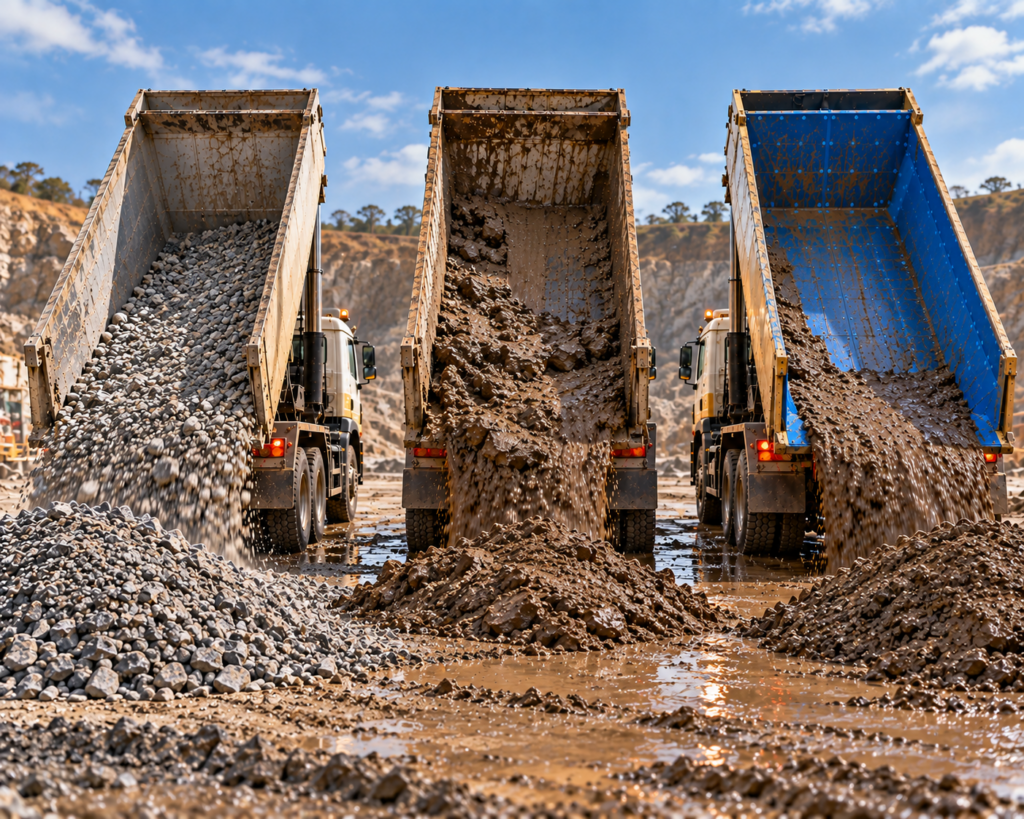
Dry aggregate such as crushed rock or gravel typically moves through a truck body as loose particles. Abrasion and impact are usually the main demands placed on the liner.
Why Your Current Steel Liner Is Costing More than You Think in Tunnelling Applications
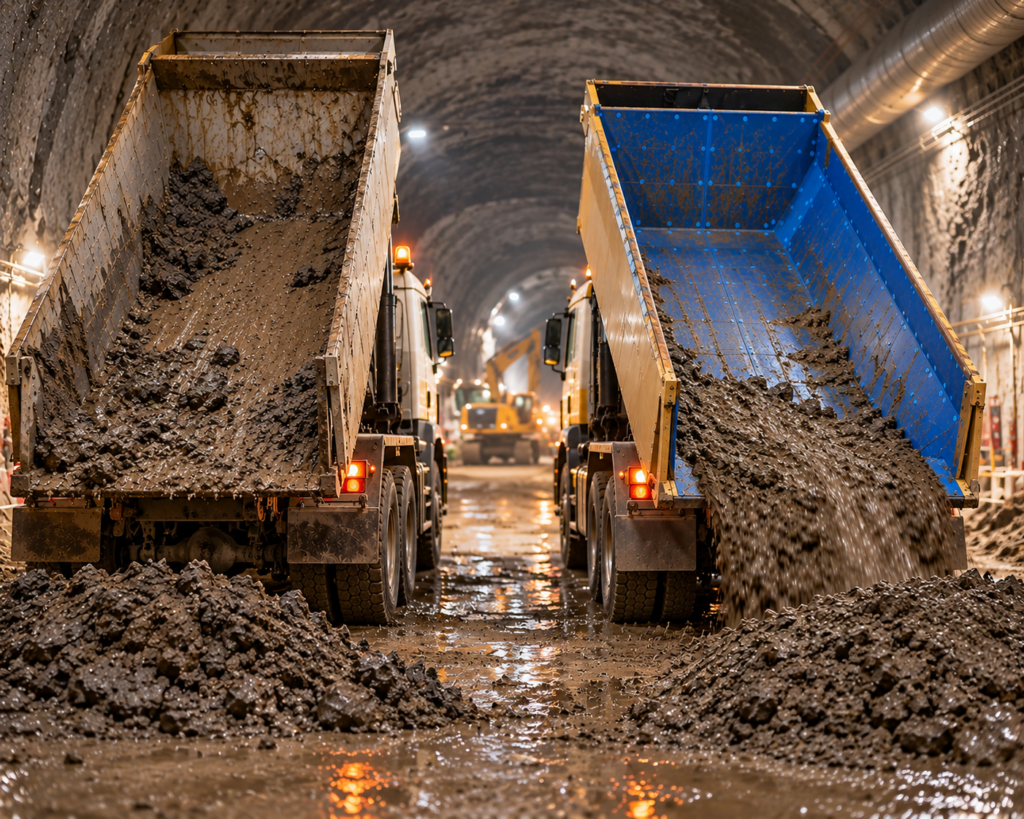
Large-scale tunnelling projects in South Australia are placing growing demands on spoil haulage, and your fleet has to manage conditioned material across repeated haul cycles.
How OKUSLIDE® Supports South Australia’s Growing Tunnelling Projects
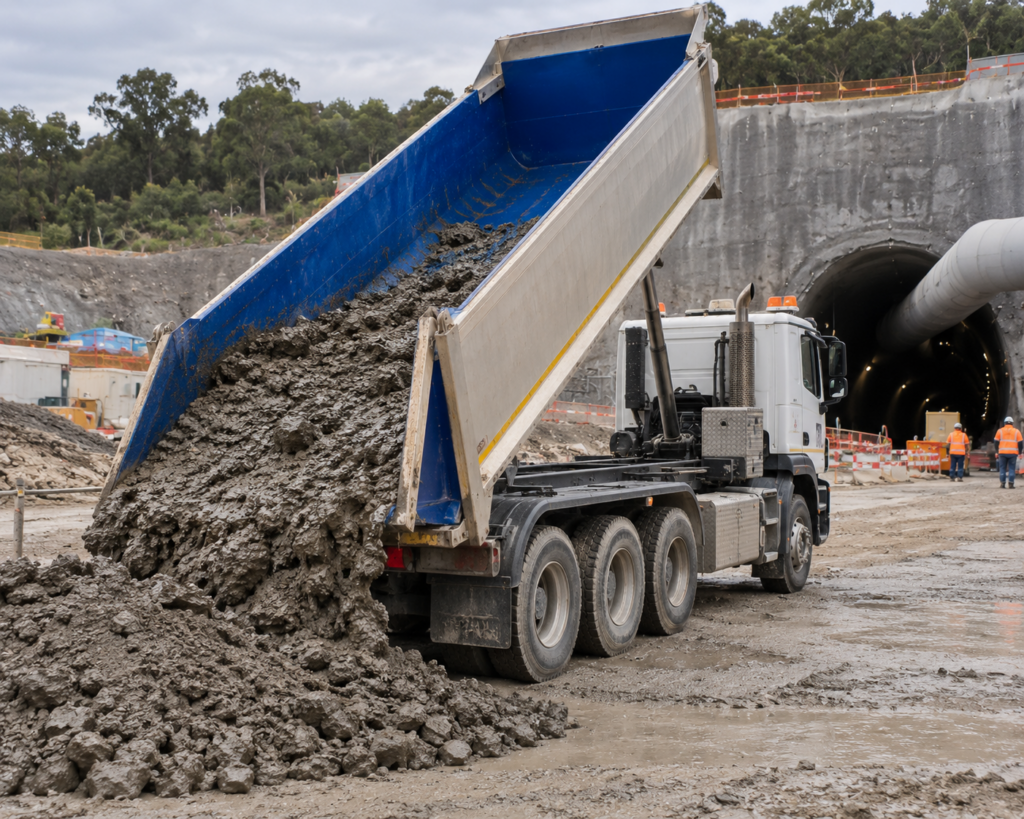
Liner selection is one of the clearest ways you can address this. OKUSLIDE® is a UHMWPE liner system produced under strict quality control in Germany and supported by Australian engineers and distributors around the country.
Reducing Wear and Maintenance Costs in Tunnel Spoil Transport with OKUSLIDE®
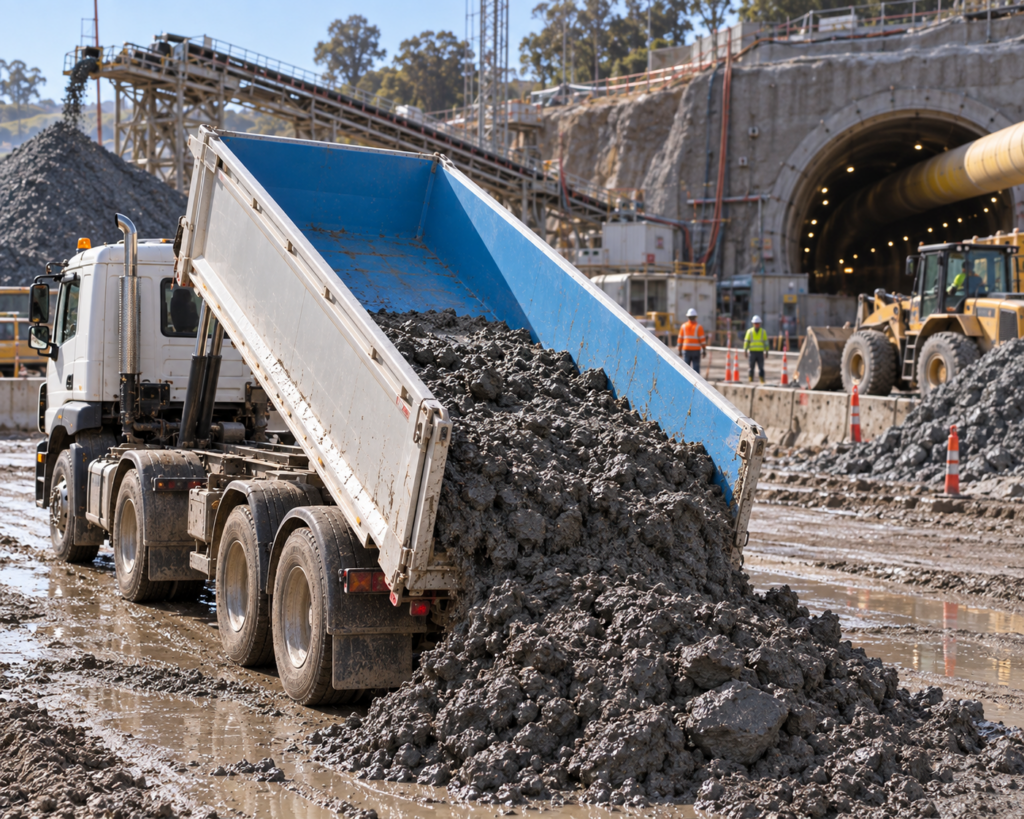
OKUSLIDE® is an abrasion-resistant, low-friction UHMWPE liner system that creates a protective surface between the spoil and the metal parent body. Made in Germany and backed by Australian engineering and distribution, OKUSLIDE® combines wear resistance, impact tolerance and low friction.
Overloading Risks and Load Distribution: How Your Liner Choice Affects Payload Compliance
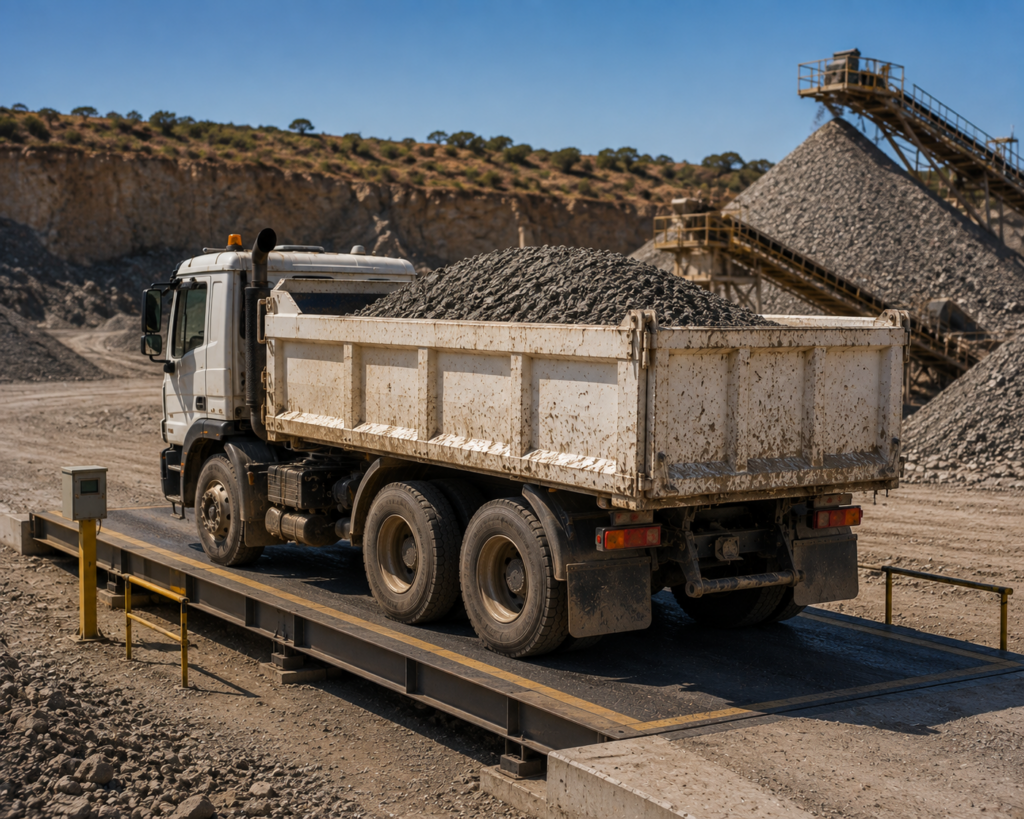
Payload compliance is shaped by more than what goes into the truck body. The vehicle’s tare, liner specification, retained material and load position can all affect whether you stay within total and axle-group mass limits. Liner choice is therefore a balance.
How UHMWPE Performs in UV-Intense Australian Environments Compared to Other Materials
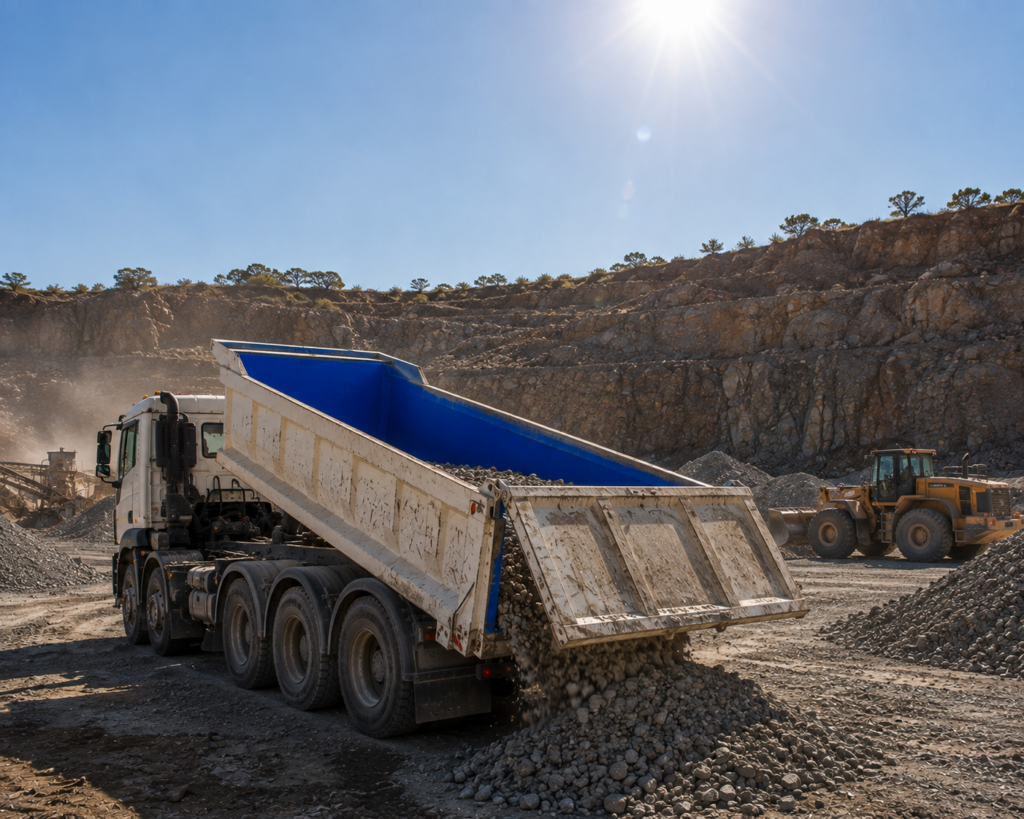
Steel, aluminium and UV-stable UHMWPE (Ultra-High-Molecular-Weight Polyethylene) can all be used in outdoor truck body applications, but they respond to sunlight differently.
Why Sticky TBM Spoil Forces Dangerous Tipping Angles and How Tunnelling Sites Can Reduce the Risk
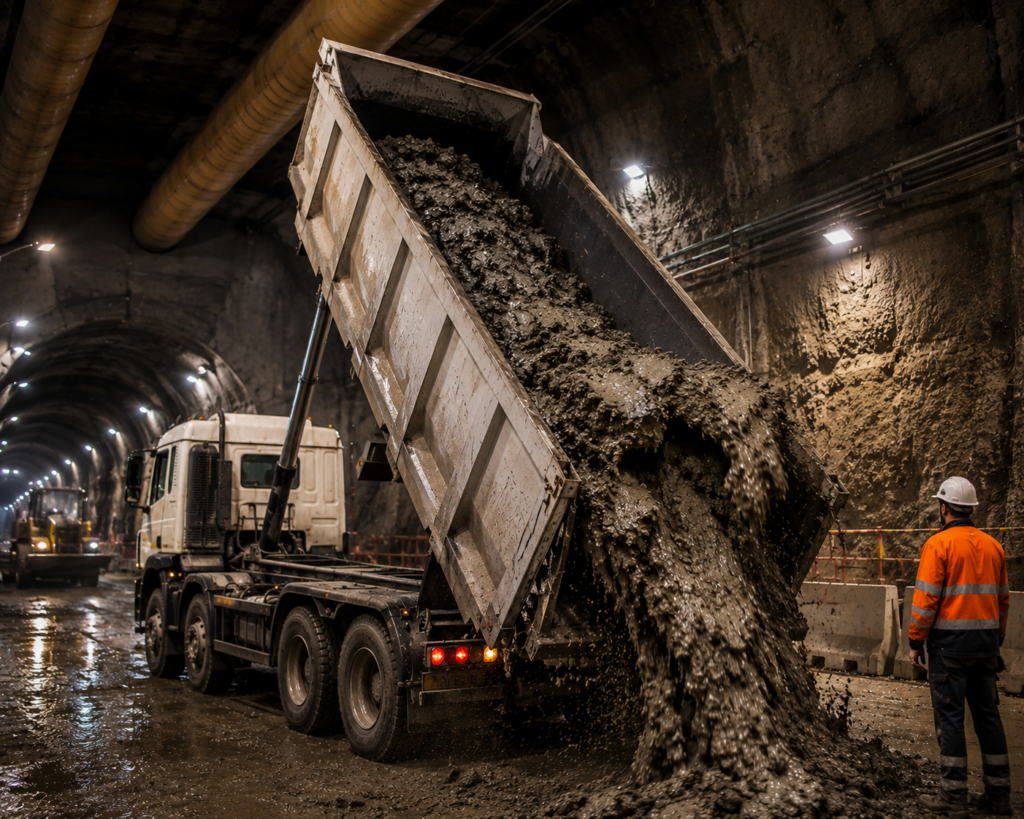
Conditioned TBM spoil can pose operational and safety risks once loaded into haul trucks. Variations in ground conditions, moisture content and conditioning can change discharge performance from one load to the next.
Why Standard Dump Truck Trays Fail On Tunnelling Sites and What Conditioned Spoil Does Differently to Ordinary Fill
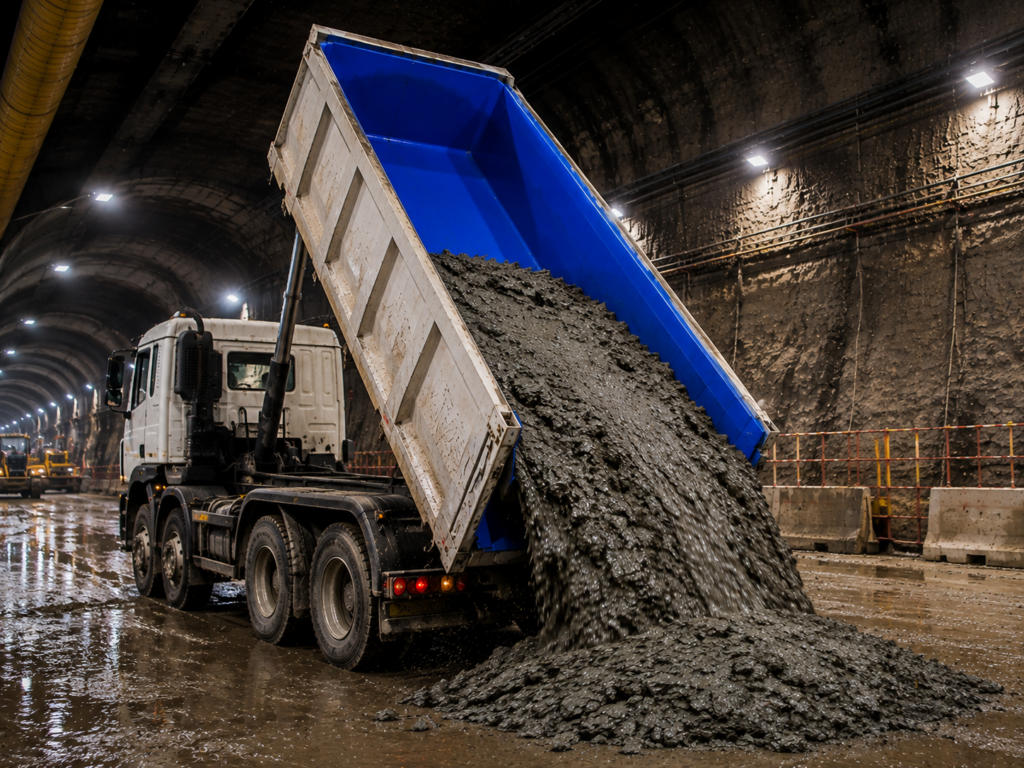
Tunnelling projects rely on dump trucks to move excavated material away from the tunnel face and through the broader spoil-handling process.
How Long Should a Lined Body Last Versus an Unlined One in Agricultural Use?
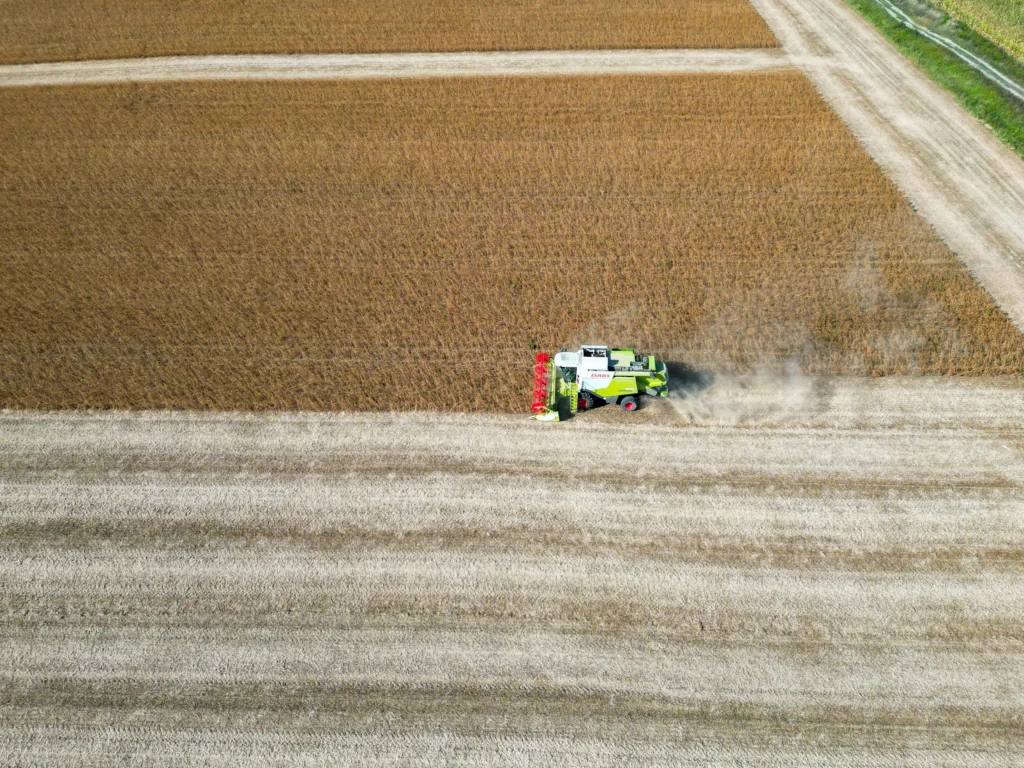
The answer depends on the operating demands placed on the body. Loads such as grain, fertiliser, lime, soil, compost, manure and silage expose the body to constant abrasion, impact, moisture and residue. In an unlined body, the steel or aluminium absorbs all of that abrasion. That makes it the primary driver of structural wear over time.
What Metrics to Track Before and After Liner Installation to Measure Impact
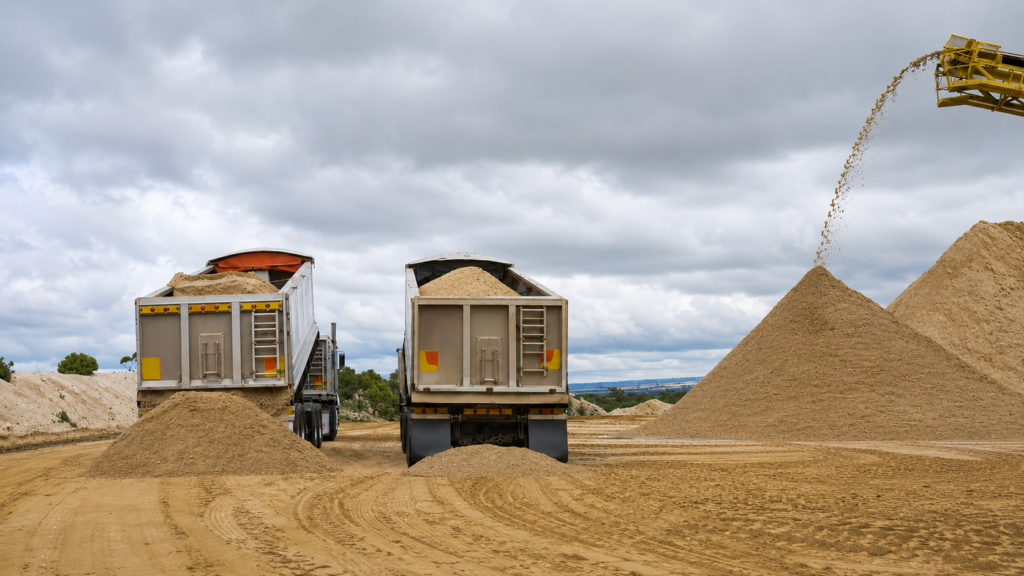
Liners offer clear advantages: cleaner discharge, reduced carryback and less body wear. But for fleet operators, the real question is how much time and cost they actually save. Impressions from drivers or site staff are useful, but they are not proof.