At a glance:
- Faster unloading shortens cycle times, allowing more trips per day and increasing revenue per vehicle.
- Reduced carryback improves payload efficiency, enabling more material to be moved per trip and lowering cost per tonne.
- Lower tip angles reduce fuel use and mechanical strain, decreasing operating costs per unloading cycle.
- Protection against abrasion and impact reduces maintenance, downtime and long-term repair costs.
- Consistent material flow reduces manual intervention, lowering labour input and operational risk.
In bulk material transport, one of the factors that affects your profitability is how efficiently each vehicle operates across each cycle. Small inefficiencies, such as slow unloading, material carryback and equipment wear, compound over time, increasing the cost per tonne.
Many of these issues originate from how materials interact with the truck body. When loads stick, drag or require repeated effort to discharge, the entire operation becomes less efficient.
Low-friction and abrasion-resistant liners address these inefficiencies at the source by improving material flow and reducing wear. OKUSLIDE® UHMWPE liners are engineered to optimise your transport cycle by improving discharge consistency and reducing carryback. This leads to measurable gains in payload efficiency, cycle time and maintenance, helping lower cost per tonne and recover investment faster.
This article outlines how OKUSLIDE® liners improve key cost drivers to reduce cost per tonne and deliver a return on investment.
Faster Unloading Increases Throughput and Revenue per Vehicle
Unloading delays reduce the number of trips a vehicle can complete in a day. When materials stick or discharge unevenly, operators may need to wait, reposition or repeat tipping cycles, all of which extend cycle time.
Even small delays per load can significantly reduce daily output across a fleet.
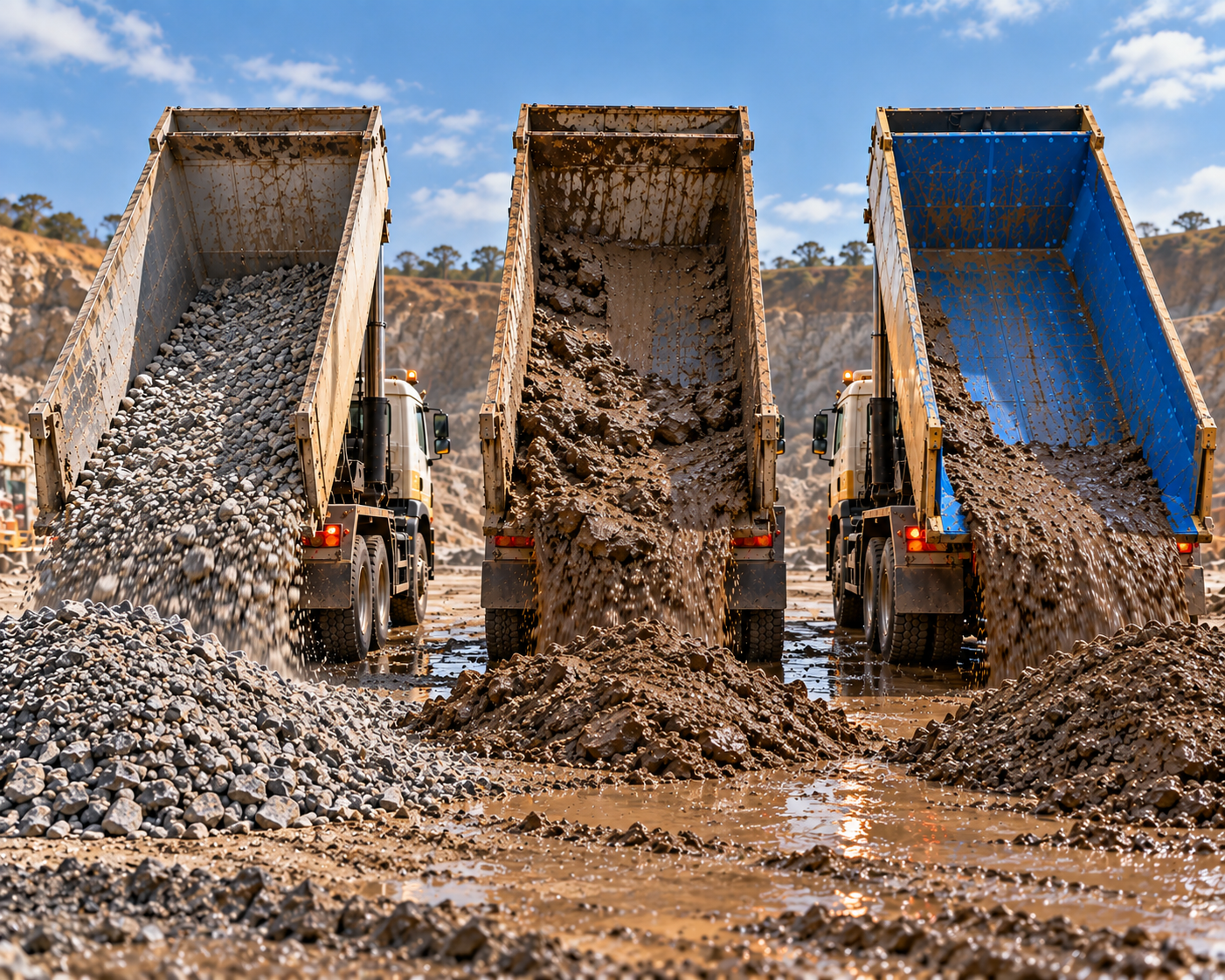
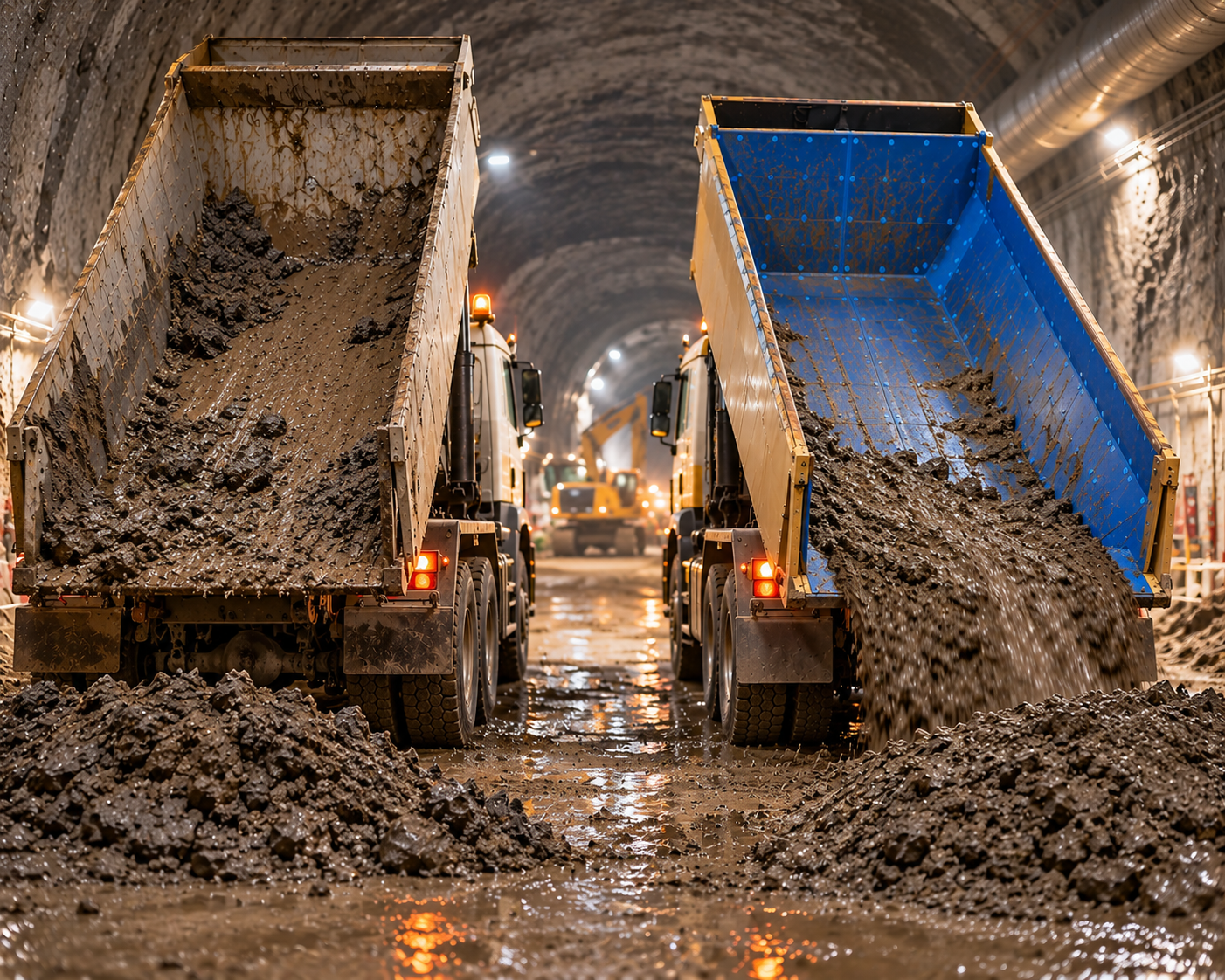
OKUSLIDE® improves material flow, allowing loads to discharge quickly and consistently, making it an industry leader in truck body liners. This shortens unloading time and reduces interruptions during the tipping process.
With faster turnaround, each vehicle can complete more trips per day, increasing total material moved without adding additional assets. This improves asset utilisation and increases revenue generated per vehicle.
Reduced Carryback Improves Payload Efficiency
Carryback is one of the most overlooked contributors to lost revenue in bulk transport. When material remains in the truck body after unloading, it directly reduces the available payload for the next trip.
This forces operators into a trade-off: run under capacity and move less material per cycle or increase the number of trips required to meet demand. Both scenarios increase fuel consumption, labour costs and vehicle wear.
OKUSLIDE® truck body liners reduce carryback by allowing material to release cleanly during unloading. With less residual material left behind, trucks can operate closer to full payload capacity on every cycle.
This increases the weight moved per trip, reduces the need for repeat cycles and lowers the overall cost. Over time, this improvement alone contributes significantly to recovering the initial investment.
Lower Tip Angles Reduce Fuel Use and Operating Costs per Cycle
When materials cling to the truck body, higher tipping angles are required to initiate discharge. This increases hydraulic system load and increases fuel consumption during each unloading cycle.
Sustained high-angle tipping also accelerates wear on lifting components and increases rollover risk during unloading.
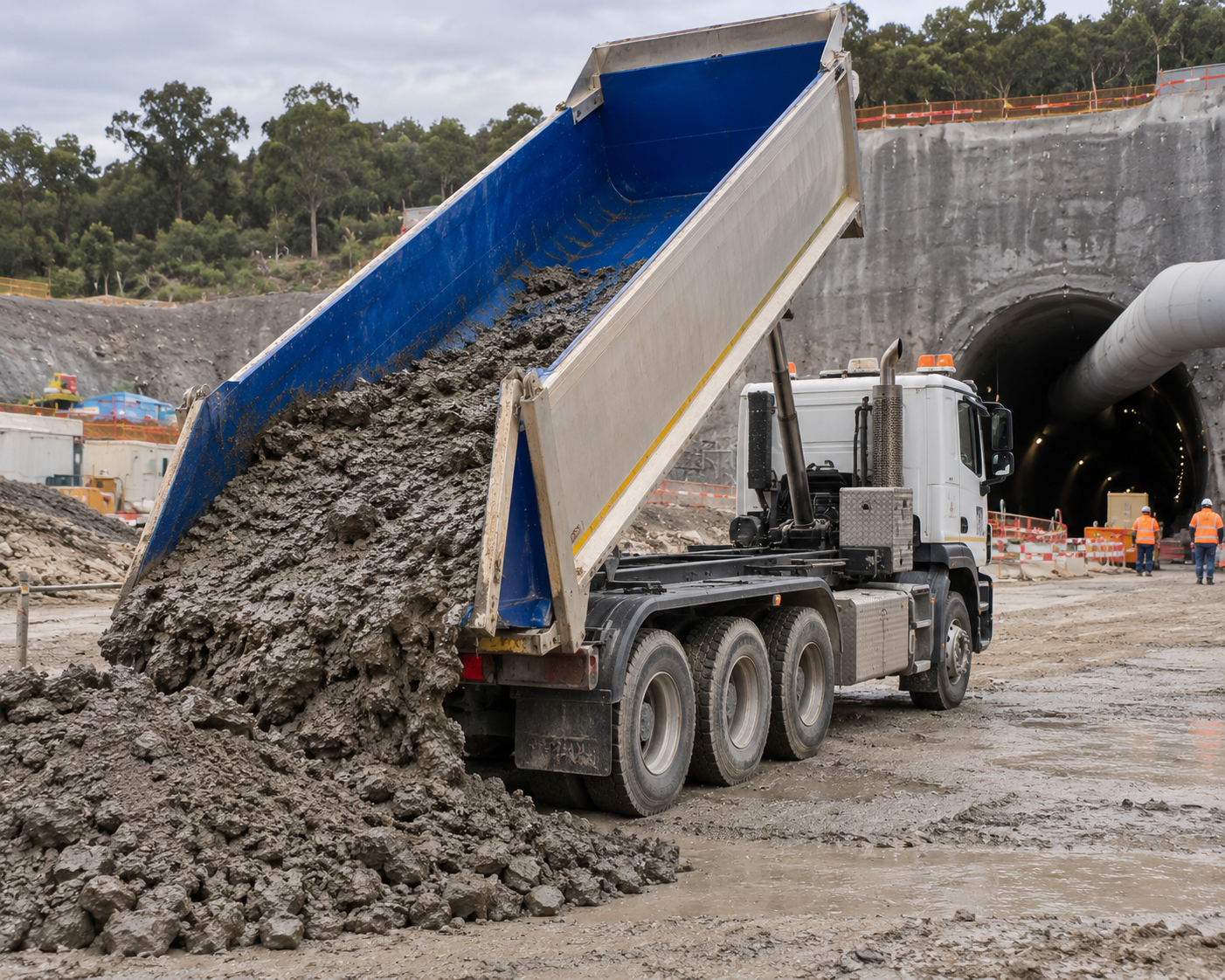
OKUSLIDE® reduces friction between the load and the truck body, allowing materials to slide cleanly at lower tip angles and reducing rollover risk. Loads release more easily, reducing the effort required to complete each cycle.
This lowers fuel consumption per unload and reduces mechanical strain on hydraulic systems. Over time, these savings reduce operating costs per cycle and accelerate cost recovery.
Protecting the Truck Body Reduces Maintenance Costs and Downtime
In bulk material-handling industries, truck bodies are subject to continuous abrasion and impact. Sliding aggregates wear down the steel surface, while repeated impacts from heavy loads create localised stress, denting and structural fatigue.
These conditions lead to frequent repairs, increased maintenance costs and unplanned downtime.
OKUSLIDE® UHMWPE liners act as a sacrificial protective layer between the load and the truck body. Their abrasion-resistant surface reduces wear from sliding materials, while their ability to distribute impact energy limits stress and deformation in high-contact areas.
By controlling both abrasion and impact, OKUSLIDE® helps maintain structural integrity and extend the service life of the truck body.
This reduces repair frequency, minimises downtime and lowers long-term maintenance and replacement costs, improving overall fleet availability.
Reduced Manual Intervention Lowers Labour Costs and Operational Risk
When materials fail to discharge properly, operators often need to intervene. This can involve manual clearing, repositioning equipment or repeating unloading attempts, increasing labour input and disrupting workflow. These interventions also introduce safety risks and can lead to further delays across operations.
OKUSLIDE® supports a more consistent, predictable material flow, allowing loads to discharge with minimal manual intervention.
This reduces labour required per cycle, minimises disruptions and creates a more controlled unloading process. Lower intervention also reduces exposure to safety incidents and associated costs. As a result, operations become more predictable, and labour costs and workforce risks are reduced.
OKUSLIDE® liners deliver a return on investment by addressing multiple cost drivers across the transport cycle. By improving material flow, they increase payload efficiency, shorten cycle times, reduce fuel consumption and protect equipment from wear and damage.
These operational gains directly reduce cost per tonne while increasing output per vehicle. As savings accumulate across fuel, maintenance, labour and downtime, the initial investment is recovered within a relatively short period.
For operators focused on improving efficiency without expanding fleet size, check out OKUSLIDE®, a premium UHMWPE liner made for high-impact, high-abrasion bulk material transport applications. We offer a practical, measurable way to reduce operating costs and improve long-term profitability.
Contact the OKUSLIDE® team to discuss a solution tailored to your operation.
FAQs
How long does it take for an OKUSLIDE® liner to pay for itself?
Most operators recover the initial cost of OKUSLIDE® within 12–18 months through improved payload efficiency and reduced per-trip costs. After that, the liner continues to deliver ongoing savings across fuel, repairs and overall fleet performance.
How long do OKUSLIDE® liners typically last?
Service life varies based on material type, load frequency and operating conditions. However, OKUSLIDE® liners are built to outlast and outperform conventional liners, offering superior protection and durability. Compared to Aluminium, they last up to five times longer.
What factors should I consider when selecting a truck body liner?
Consider material durability, friction properties, wear resistance, installation quality and long-term cost impact. A low-friction, abrasion-resistant liner improves material flow, reduces carryback and lowers maintenance and fuel costs. For more details, refer to our blog on selecting a truck body liner.