At a glance:
- Bulk material blockages usually stem from predictable issues such as build-up, poor flow design or inconsistent feed conditions.
- Recurring blockages often indicate underlying restrictions in flow paths, surface condition or how material enters and moves through the system.
- Improving material release, stabilising feed rates and addressing design constraints can significantly reduce disruption and maintain consistent material movement.
- Regular inspection and early intervention help prevent minor build-up or wear from developing into more serious flow restrictions over time.
- Addressing root causes rather than clearing blockages improves system reliability, reduces downtime and supports more efficient bulk material handling operations.
Bulk material blockages in industries can slow throughput, increase equipment strain, cause unplanned downtime and add maintenance pressure. Although blockages can seem sudden, they often develop from predictable issues with material behaviour, equipment condition or operating practices. They usually point to a specific restriction, such as build-up, poor flow geometry, inconsistent feed or worn internal surfaces.
In continuous production environments, even small recurring blockages can slow output and increase maintenance intervention over time. To reduce blockages, you first need to understand why material flow breakdown occurs.
In many cases, improving flow conditions, adjusting system design and applying preventive measures can help minimise recurring problems and support more reliable material movement.
The points below explain the key causes of blockages and practical ways to reduce them for more consistent material flow.
Material Adhesion and Build-Up on Internal Surfaces
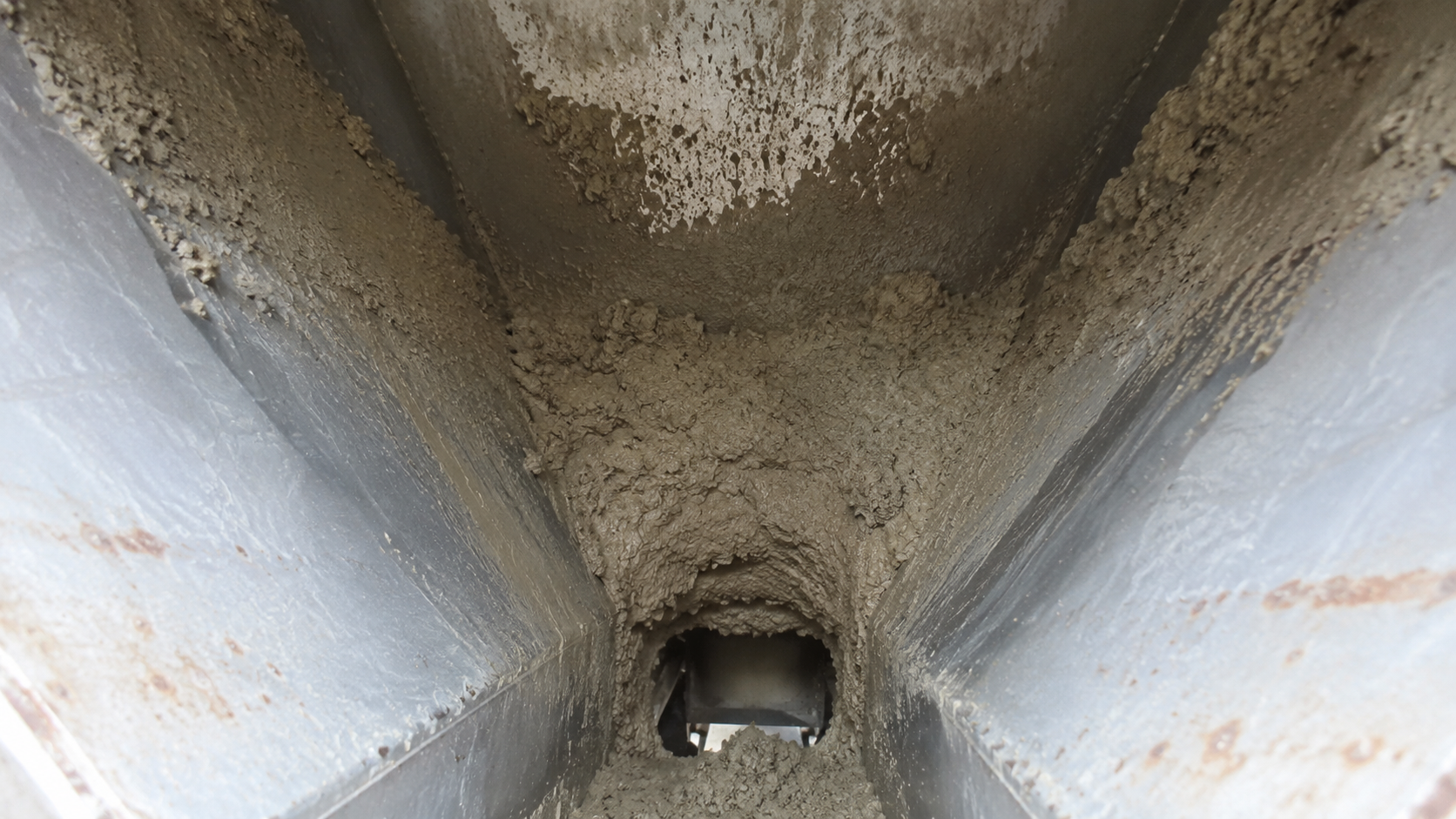
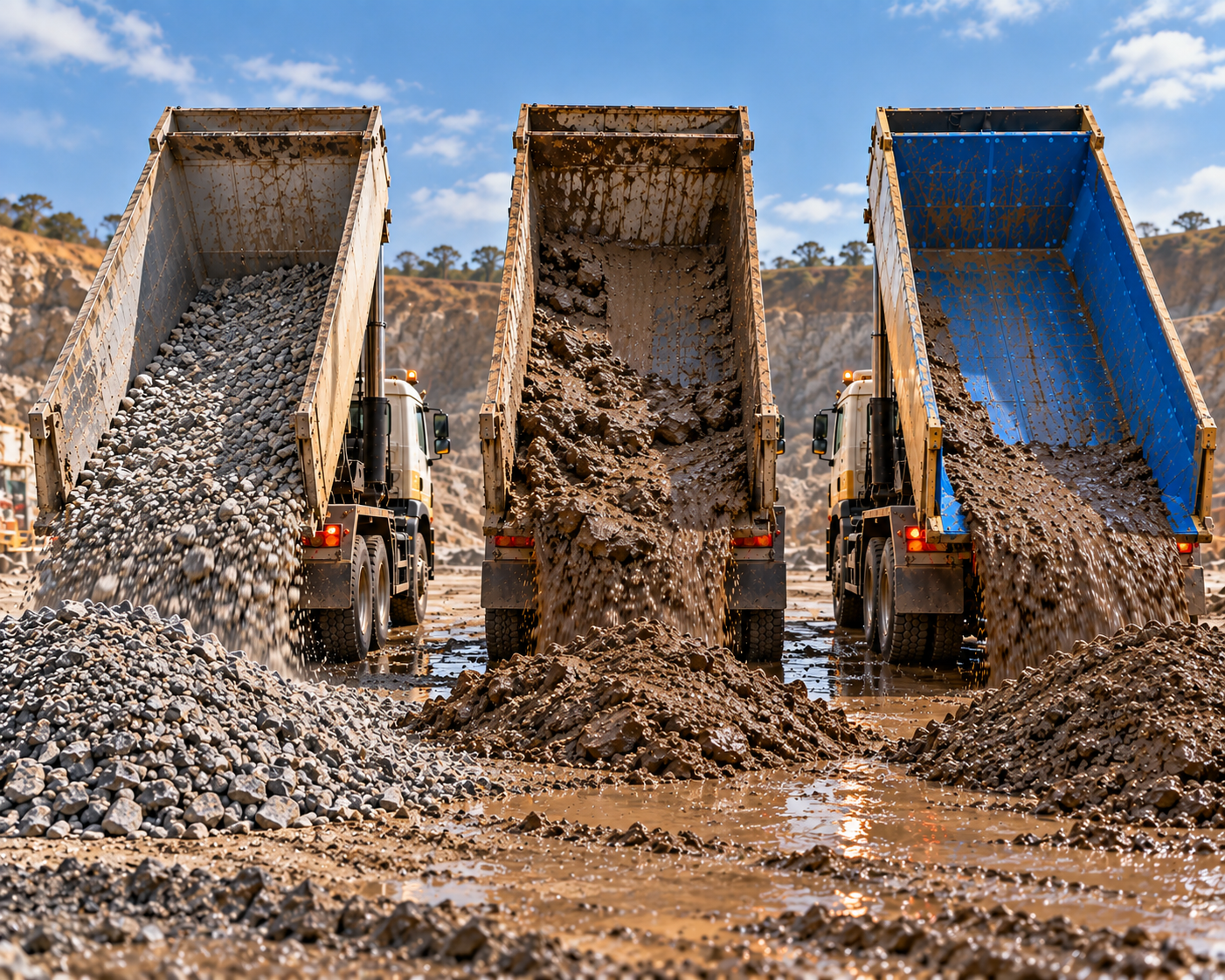
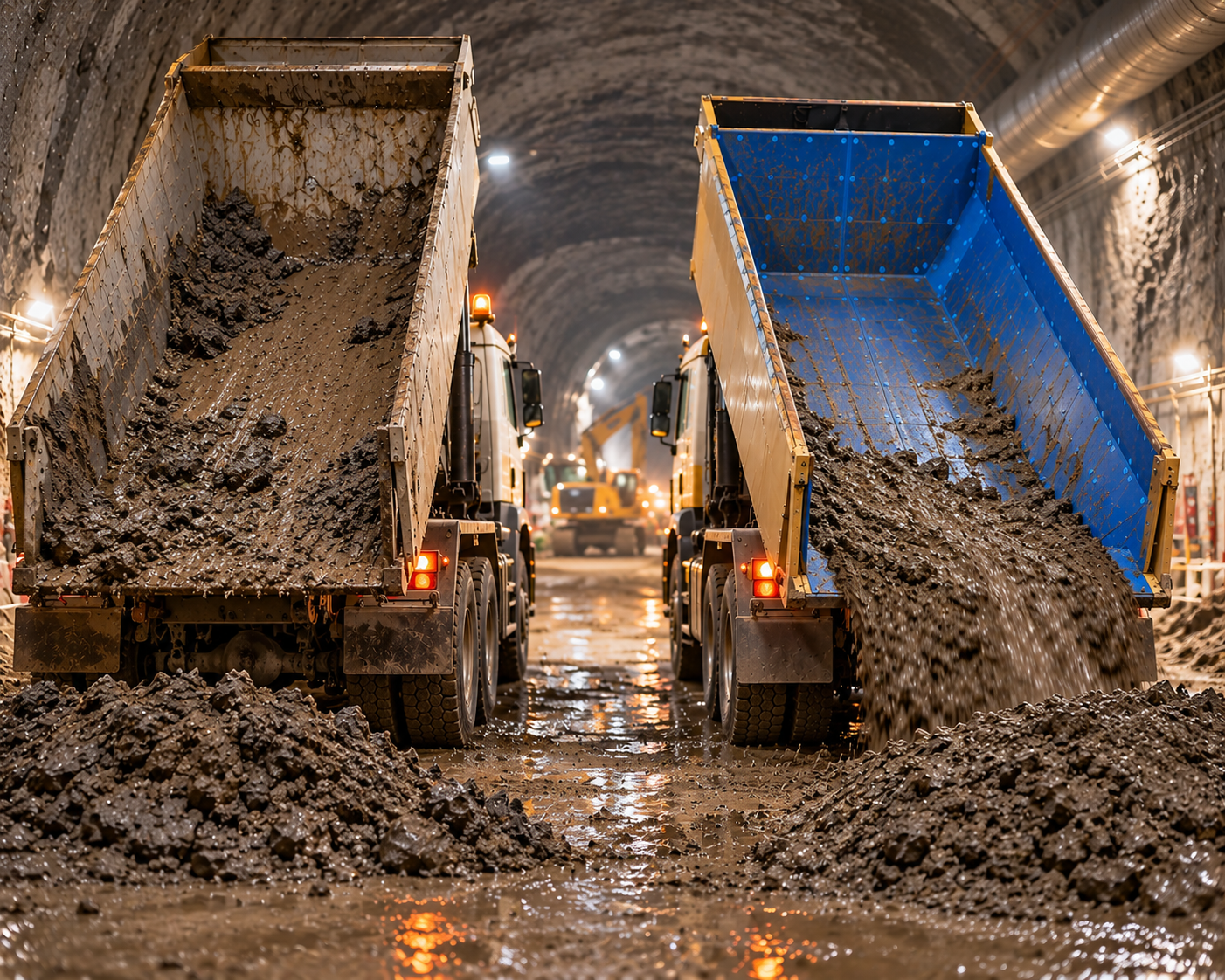
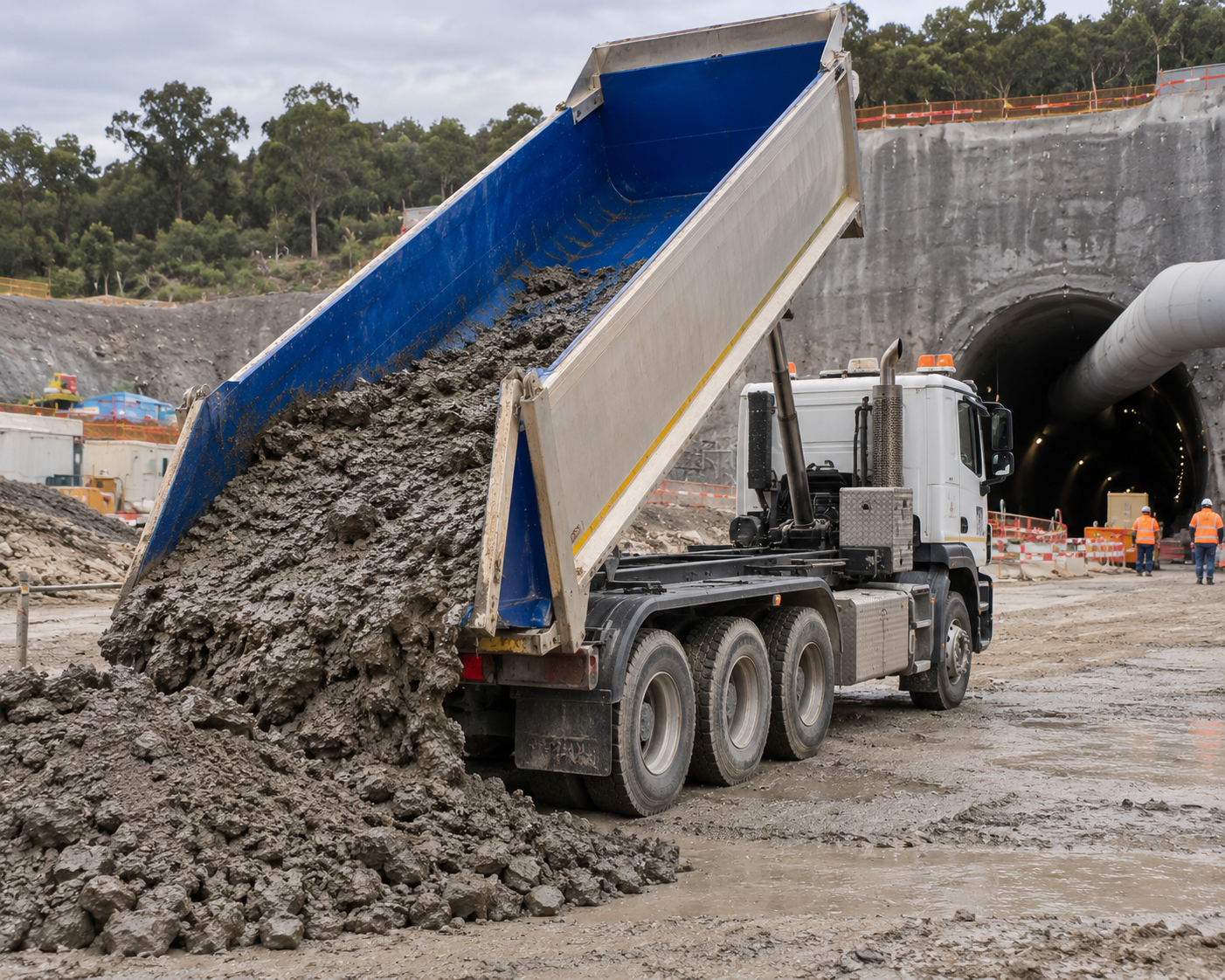
One of the most common causes of blockages is material build-up on internal surfaces. Sticky or wet materials can adhere to chute walls, hopper surfaces or truck bodies. As more material passes through, it can attach to the existing layer until a thin deposit forms, restricting discharge. Carryback can worsen the issue because leftover material keeps returning to the system and building up over repeated cycles.
UHMWPE liners, such as OKUSLIDE®, can help by creating a smoother surface that allows material to release more easily. Their low coefficient of friction and smooth surface can help material slide more freely during discharge rather than adhere to internal surfaces. Because UHMWPE absorbs very little water, it can help limit moisture-related sticking when wet materials move across the surface. Preventing the first layer of build-up helps stop small deposits from becoming recurring blockages.
Poor Flow Paths and Restrictive System Design
System design can also create blockage points when material does not have a clear, consistent path to move through. Restricted outlet openings can cause bridging at discharge points, while poor chute angles can slow movement and encourage build-up. At transfer points, material may hang up as it passes between system components, creating additional points of accumulation. When one section slows material movement, it can create pressure, accumulation or restrictions further downstream.
Reducing these blockages often requires modifying the parts of the system where flow is disrupted. This may involve adjusting chute angles, widening restricted outlets where bridging occurs or modifying dead zones where material tends to settle. At transfer points, improving the handover between components can also reduce hang-ups.
If blockages keep occurring in the same location, the system design should be reviewed.
Inconsistent Material Feed and Overloading
The way material enters a system has a direct effect on flow. When large volumes enter the system suddenly instead of steadily, material can pile up at transfer points, inlets or narrow sections. Overloading makes this worse by pushing more material into the system than it can move efficiently, which can lead to compaction, bridging or plugging.
A steadier feed rate helps reduce this risk. Keeping loads steady and within the system’s capacity helps prevent surging, compaction and flow restrictions.
This may involve monitoring material levels and conveyor loads, coordinating feed rates with upstream equipment or using automated controls to adjust discharge when conditions change. In manual operations, trained operators can adjust feed rates or pause loading when early signs of surging or overloading appear.
Surface Wear and Internal Obstructions That Restrict Flow
Over time, internal surfaces in handling systems can develop rough patches, dents or grooves due to abrasion and impact. These irregularities increase friction and create points where material can catch and accumulate instead of passing through cleanly. If left unaddressed, surface deterioration can narrow flow paths and lead to more frequent blockages.
Regular inspection helps stay ahead of these issues. Monitoring surfaces, outlets and transfer points helps you identify wear or build-up before they become major restrictions. Scheduled cleaning in build-up-prone areas also helps prevent gradual accumulation that restricts flow.
Installing impact-resistant liners in silos, chutes and other high-wear areas is also crucial to maintain smooth surfaces and reduce the risk of material build-up.
Addressing these issues early is often less disruptive and less costly than clearing a full blockage during production.
Blockages in bulk material handling systems have a traceable cause. They usually point to flow, equipment or operating issues that will keep returning if they are not addressed.
When you identify the specific cause and apply the right fix, you can reduce disruption, lower maintenance demands and improve handling efficiency.
For systems with recurring blockage issues, UHMWPE liners can be an effective approach to improve material release and reduce surface friction. OKUSLIDE® liners support cleaner discharge, reduce carryback, and improve material flow where build-up and adhesion cause repeated blockages.
Contact us today to discuss liner options suited to your bulk handling system and help reduce blockage risk.
FAQs
How do you know if a blockage is caused by a design issue rather than material behaviour?
Repeated blockages in the same location, such as a transfer point, hopper or chute, are usually the clearest sign of a design-related issue. Restricted openings, shallow chute geometry and poorly configured transfer points tend to create the same problem in the same place. If operating adjustments do not resolve the issue, you should review the system design.
Can blockages increase wear on handling equipment?
Yes. Blockages can increase abrasion, impact and mechanical strain, which can accelerate wear on liners, chutes and moving components. Build-up can also restrict flow paths, create overload conditions and contribute to premature equipment damage or failure.
Are bulk material blockages more common in wet conditions?
They can be. Higher moisture levels can increase adhesion, encourage compaction and make certain materials more likely to bridge inside chutes, hoppers or transfer points. This can increase the likelihood of blockages in some applications.