
OKUSLIDE® vs Other Flow Aids: Which Works Better?
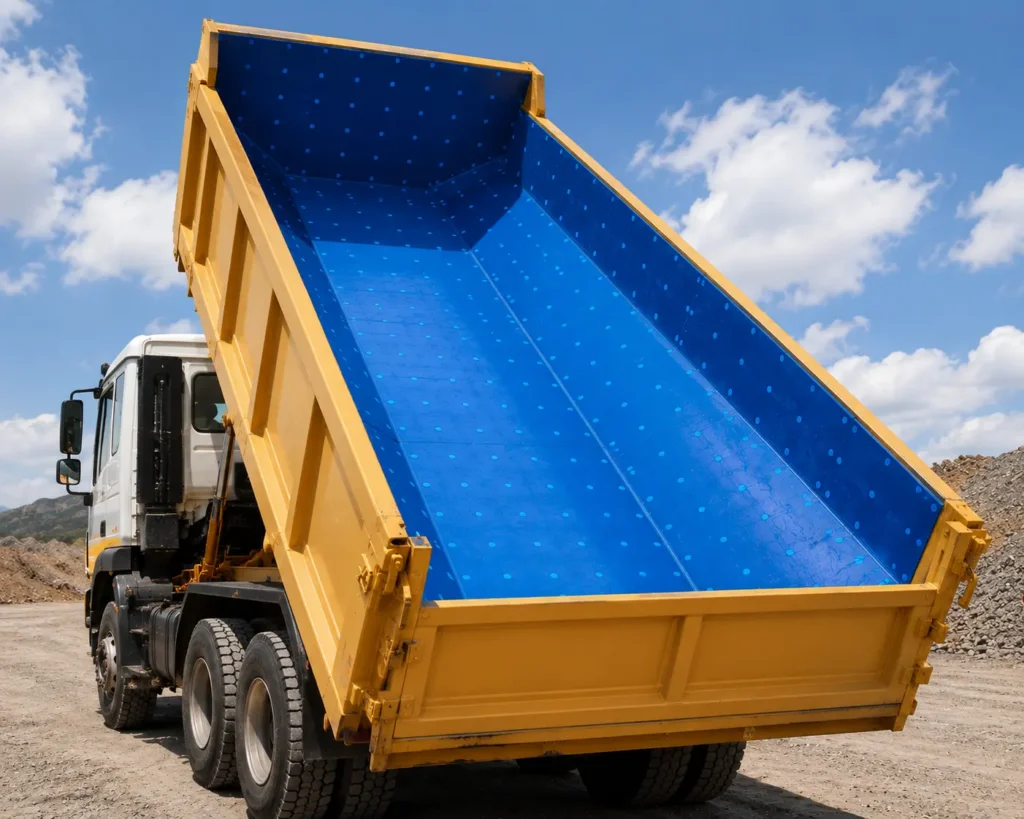
Material flow challenges are common in industries such as mining, construction, agriculture, waste transport and quarrying. Loads can stick to internal surfaces, form blockages or release unevenly, slowing down unloading and disrupting cycle times.
What is Material Bridging in Hoppers and How to Prevent it?
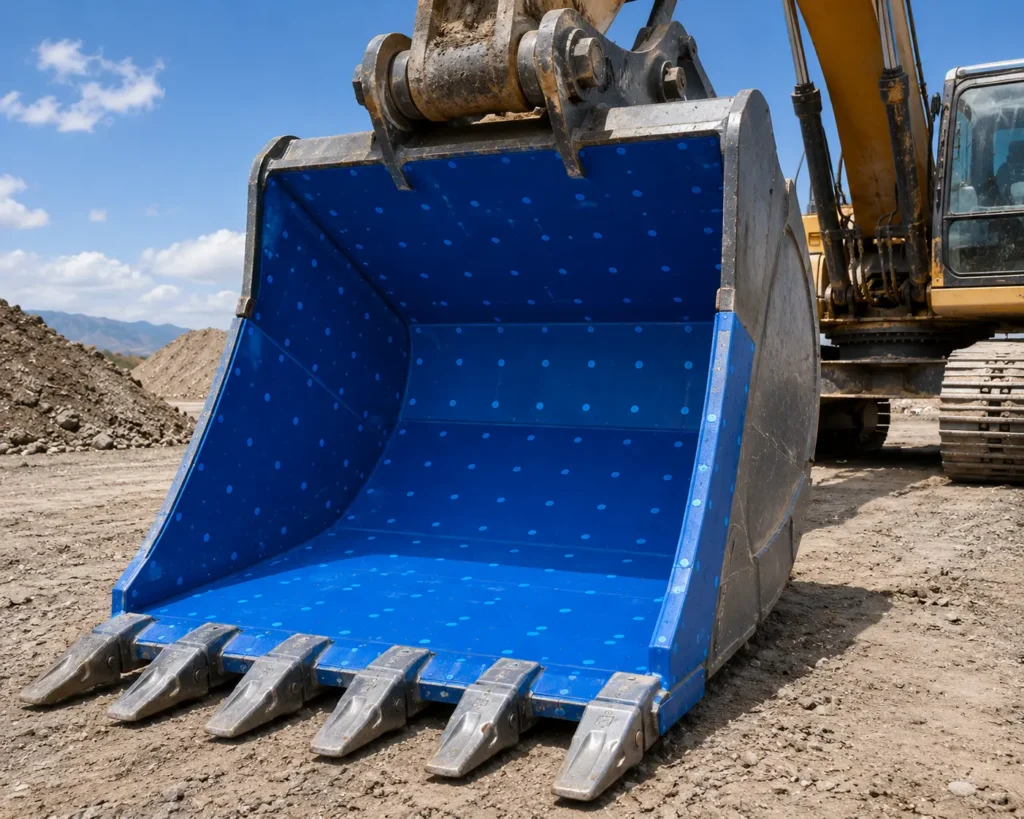
Uninterrupted material flow is critical in bulk-handling operations across mining, quarrying, waste management, agriculture and construction. Production targets, equipment utilisation and contractual performance all depend on consistent discharge through hoppers and transfer points.
The Importance of Installing a Liner in Your Silo
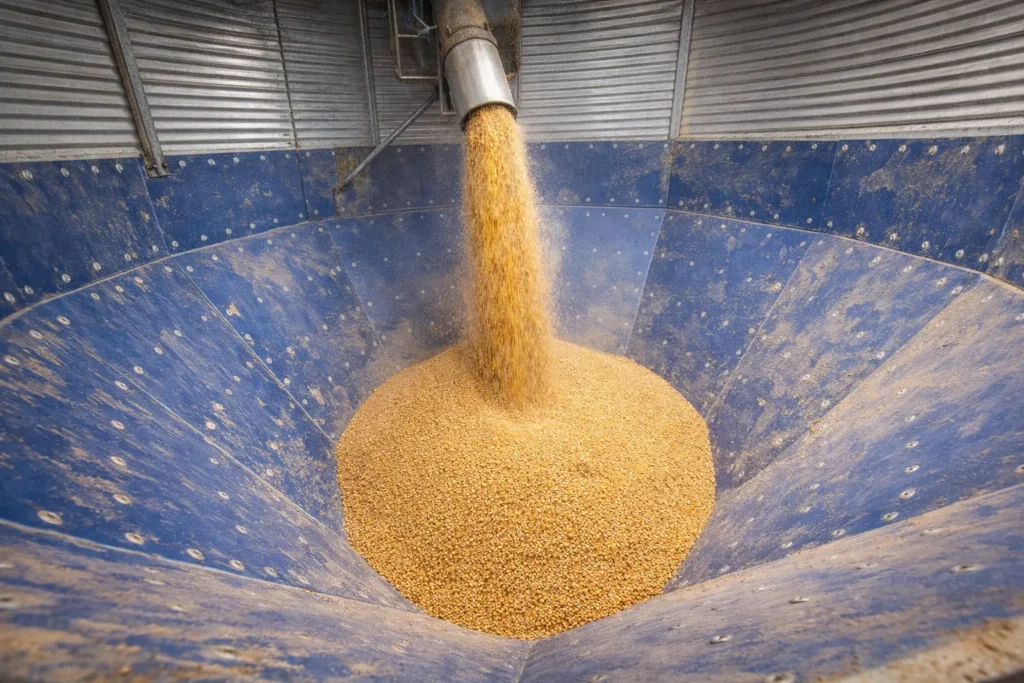
Silos are critical assets in bulk material handling operations. They store product, regulate flow, protect material from the environment and support downstream equipment.
What Industries Benefit Most from OKUSLIDE® UHMWPE Liners?
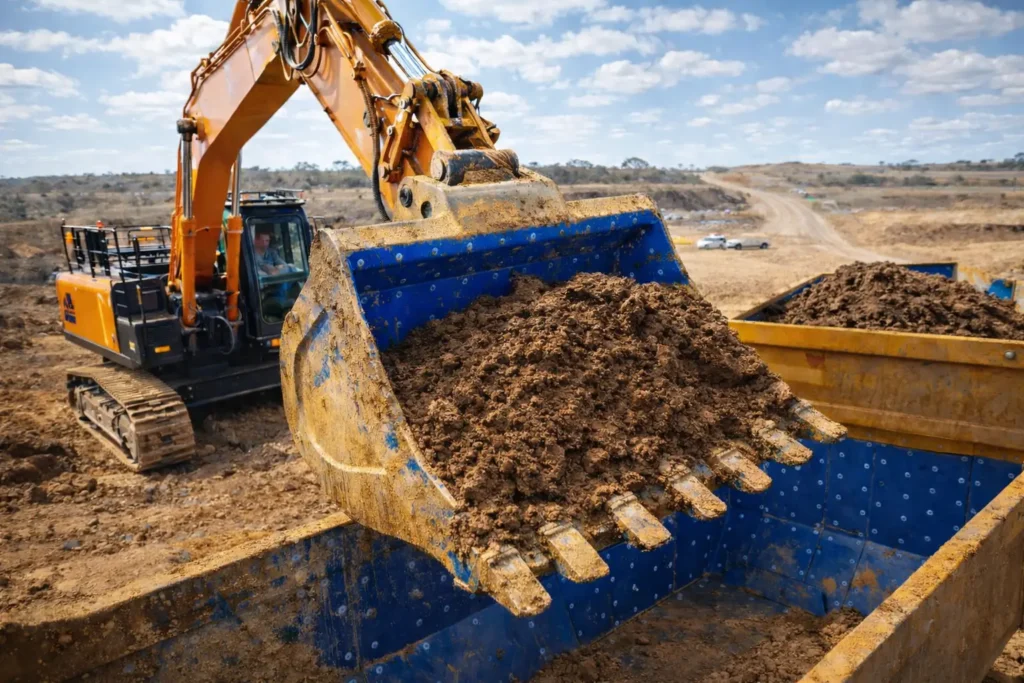
Bulk material handling operations face persistent challenges with material sticking, uneven discharge and progressive equipment wear.
Why Abrasion Resistance Matters in Truck Bed Liners
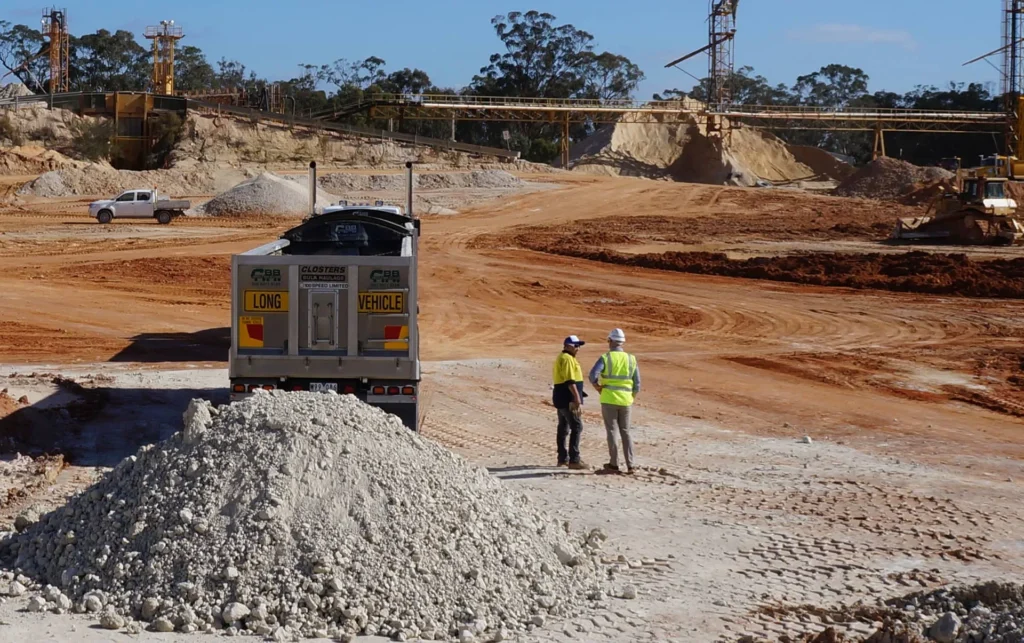
Abrasion is a mechanical wear process that occurs when materials rub, scrape, or grind across a truck tray. In Australian haulage environments, where aggregates, soil, ore, rubble and mixed waste are often dry, coarse and angular, this wear becomes more severe.
Do OKUSLIDE® Liners Work for Both Wet and Dry Material Transport
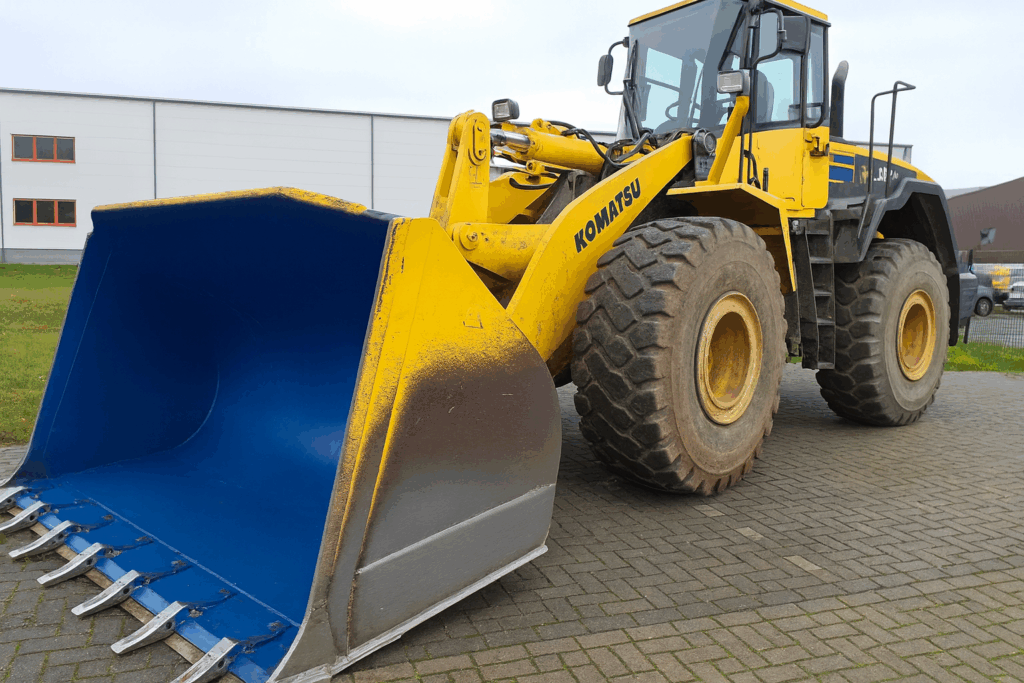
OKUSLIDE® liners are widely used across mining, construction, agriculture, quarrying, waste handling, and bulk transport because they improve material flow and protect truck bodies from wear. A common question operators raise is whether a single OKUSLIDE® liner can perform equally well under saturated, sticky or slurry-based loads as well as dry, abrasive or high-impact conditions.
Why Operators Prefer an ‘All-Rounder’ Liner for Plant and Transport Equipment

In industries that handle bulk materials, equipment faces issues such as constant wear and tear, material buildup, impact damage, and safety risks. Equipment liners are a solution to all these problems, protecting equipment from abrasion, impact, and material build-up.
Is Brand Recognition Costing You More? Why OKUSLIDE® Beats ‘Big Name’ Liners on Value
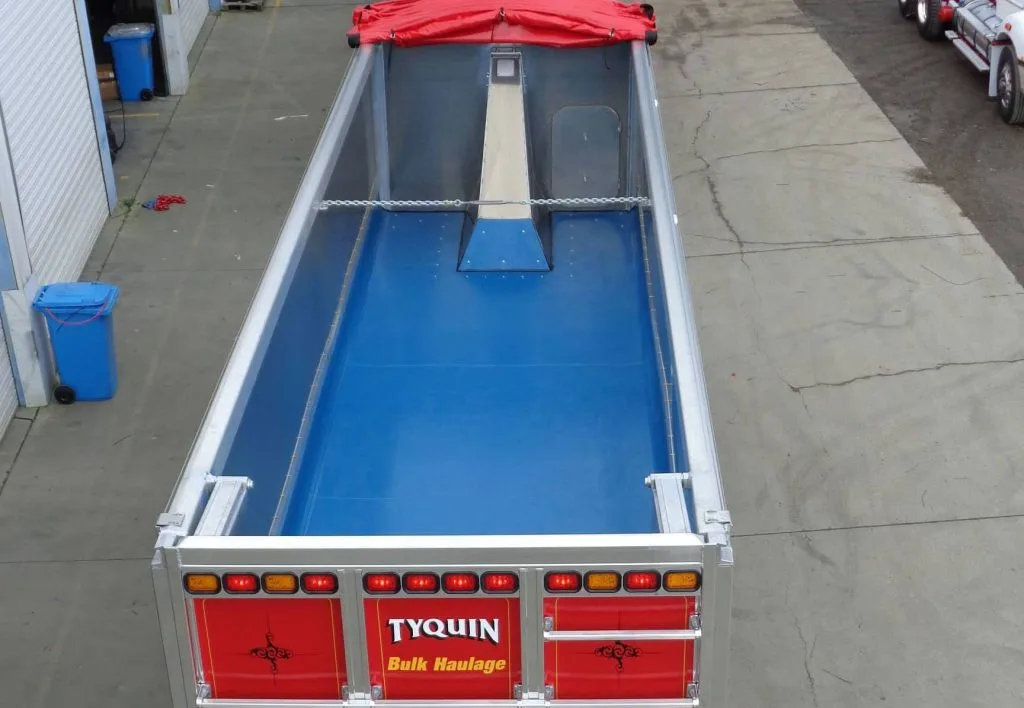
Material handling and transport operations rely on speed, safety, and uptime. Every hour of delay can mean trucks idling, projects being pushed back, and thousands of dollars lost in revenue. Yet many fleets still undermine efficiency by buying liners from “big name” brands out of habit.
Cost Comparison: Bare Steel Truck Body vs Lined with OKUSLIDE® Over 5 Years

The truck body endures some of the highest mechanical stress of any part of a haulage vehicle. Whether carrying quarry aggregates, waste, or agricultural materials, the vehicle is exposed to constant impact, friction, and abrasive conditions. Over time, these stresses lead directly to higher maintenance costs, more frequent downtime, and reduced productivity.
Why Many Operators Are Replacing Quicksilver® with OKUSLIDE®
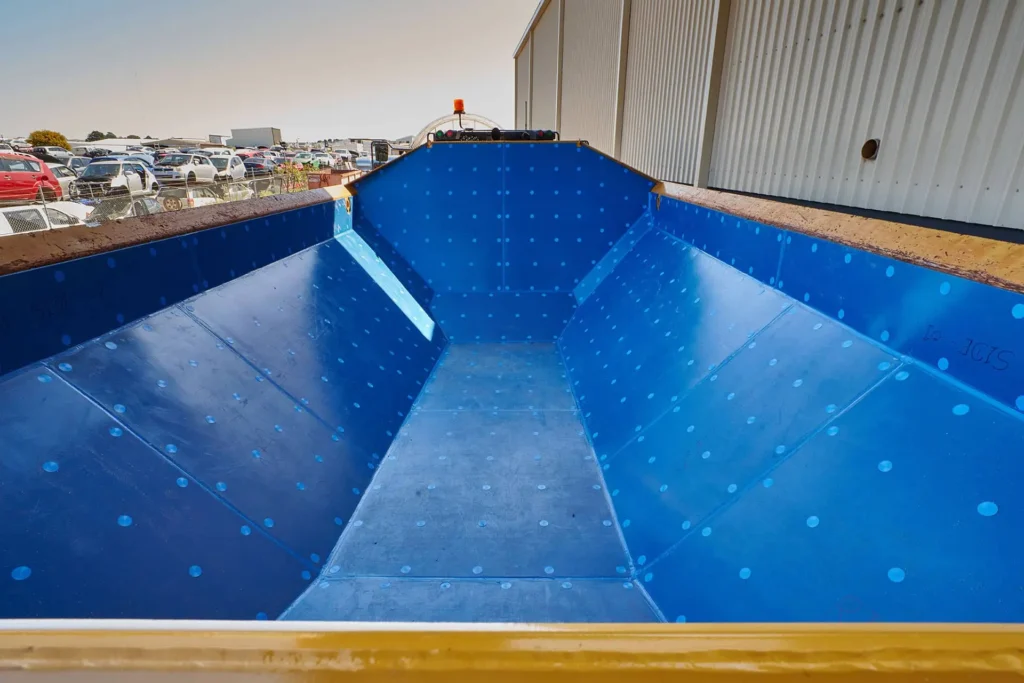
Industries that handle bulk materials rely on durable and efficient equipment. Liners support this by enhancing material flow, protecting machinery, and reducing wear. Trucks, hoppers, bins, and other machinery that regularly load and unload materials benefit from liners’ protective and low-friction qualities.